

Thanksgiving often brings unpredictable moments; people coming over, sudden schedule changes, noise, movement, and new environments. Visuals give your child something solid to rely on. Even a simple visual schedule can help your child understand: What is happening now What is happening next When it’s time to transition What the day will look like You can use: Stick figures Printed pictures A quick drawing on paper A simple list of events Icons on your phone Visuals make the unknown feel predictable, and predictable feels safe.
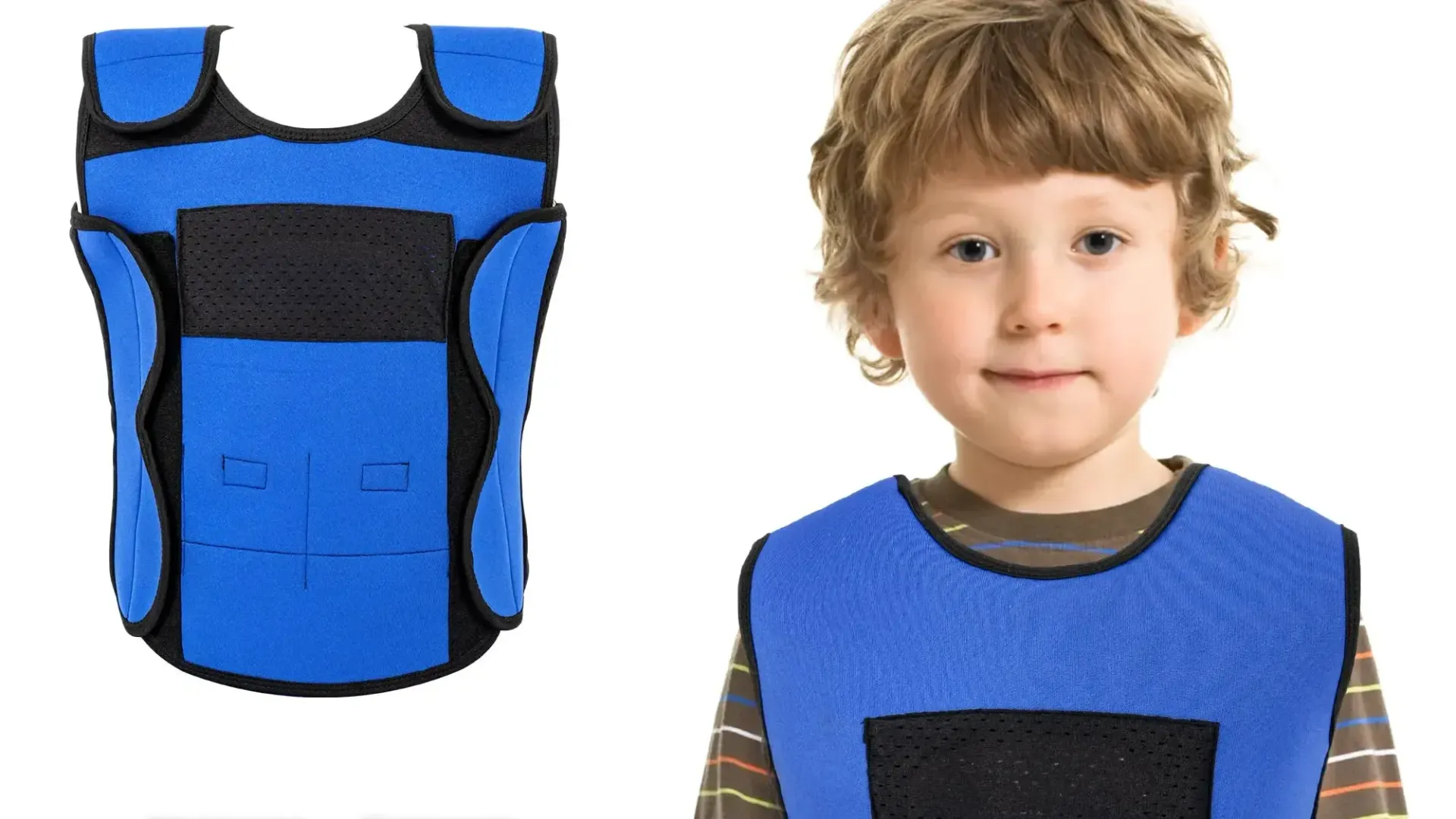
Weighted vests provide deep pressure input that helps: ✅ Calm the nervous system ✅ Increase focus in school ✅ Reduce sensory overload ✅ Improve participation in routines ✅ Support emotional regulation Studies show deep pressure touch can support children with autism and sensory processing disorder by lowering anxiety and improving body awareness. Source: National Institutes of Health (NIH)

Instead of sending your child away as punishment, create a safe “calm space” where they can reset. This could include: Soft pillows or blankets A favorite stuffed animal Noise-canceling headphones A weighted blanket The key is to make this space inviting, not isolating. It’s a place to feel safe, not “in trouble.”
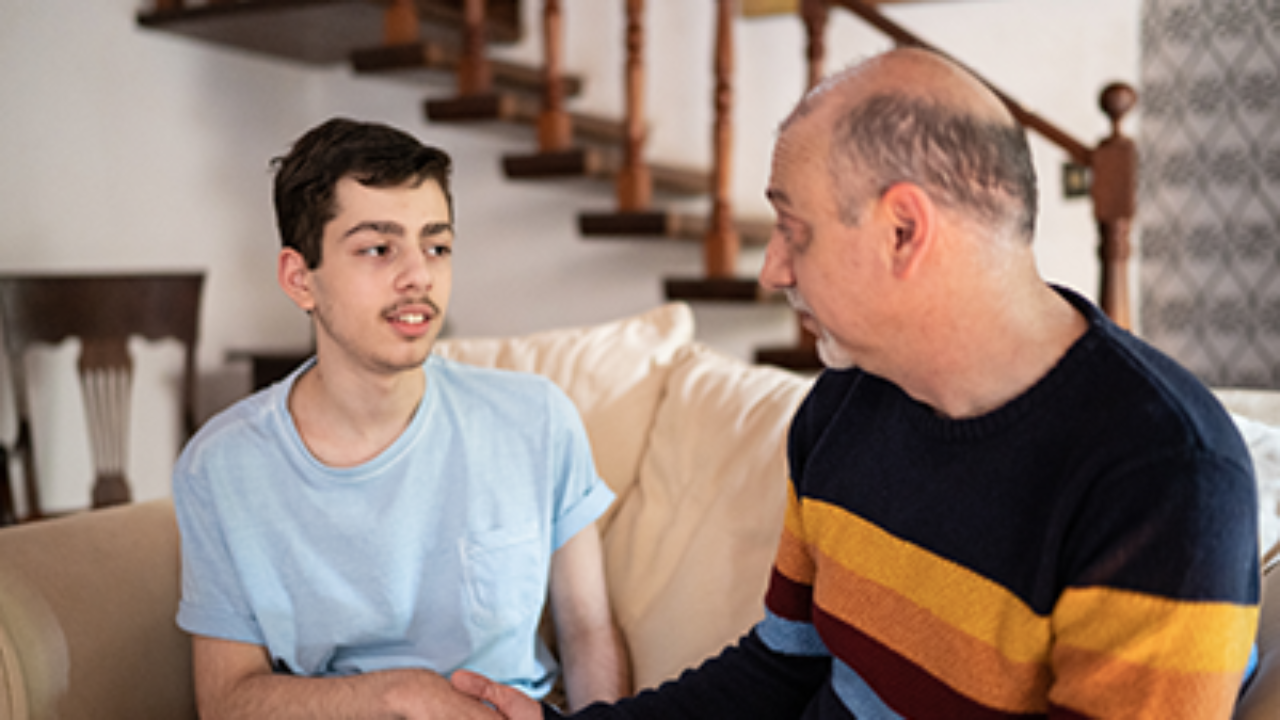
Aggression is rarely about “being bad.” It’s usually a signal. Common reasons include: Communication challenges: Your child doesn’t have the words to express frustration, pain, or needs. Sensory overload: Bright lights, loud noises, or uncomfortable textures can trigger fight-or-flight responses. Frustration with change: Transitions or unexpected changes in routine can feel overwhelming. Emotional regulation struggles: Many autistic kids haven’t yet developed the skills to manage big feelings like anger or anxiety. Medical or physical discomfort: Hunger, sleep issues, or gut problems can all show up as aggression. Understanding the “why” is the first step toward change.
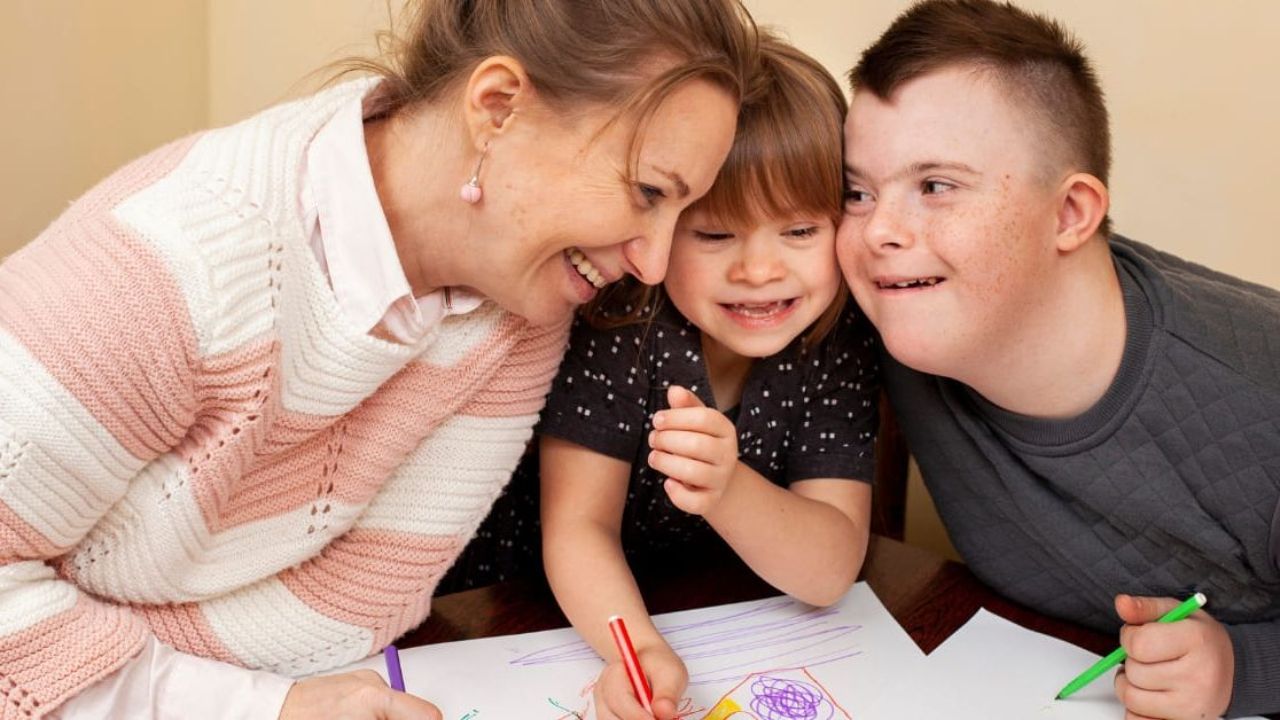
Let’s look at 5 powerful ways autistic kids often show love that parents sometimes overlook.
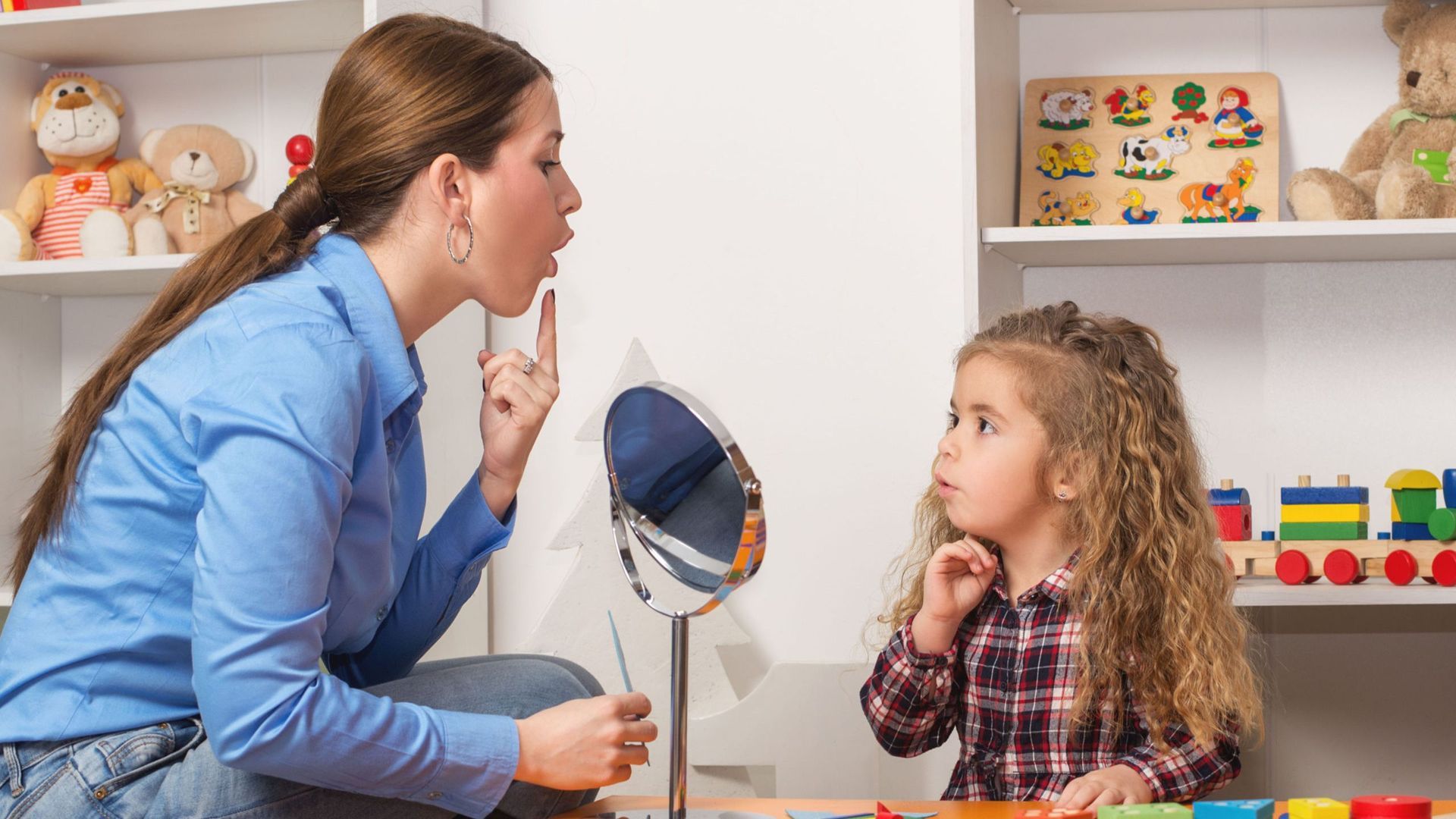
Why self-advocacy matters

Why Matching Words and Actions Matters
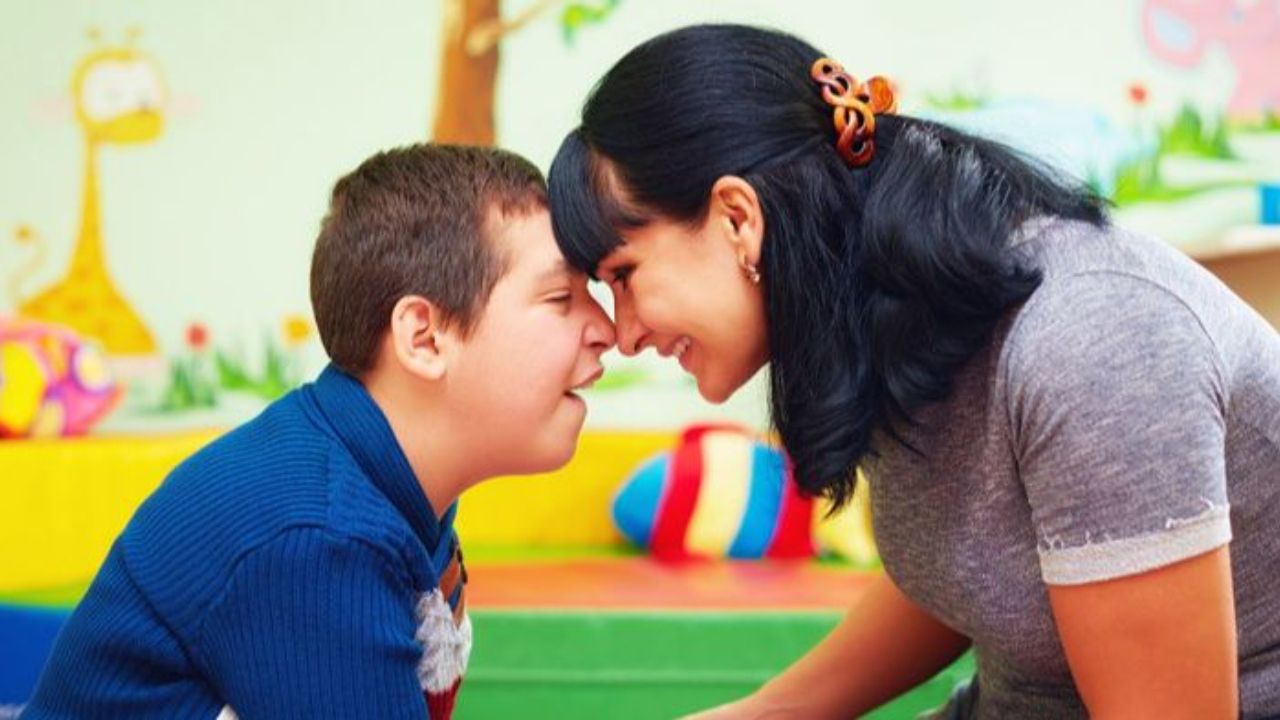
Why Behaviors Happen: The Hidden Message Behind Every Action
Introduction: Why Understanding Autism Levels Matters for Parents